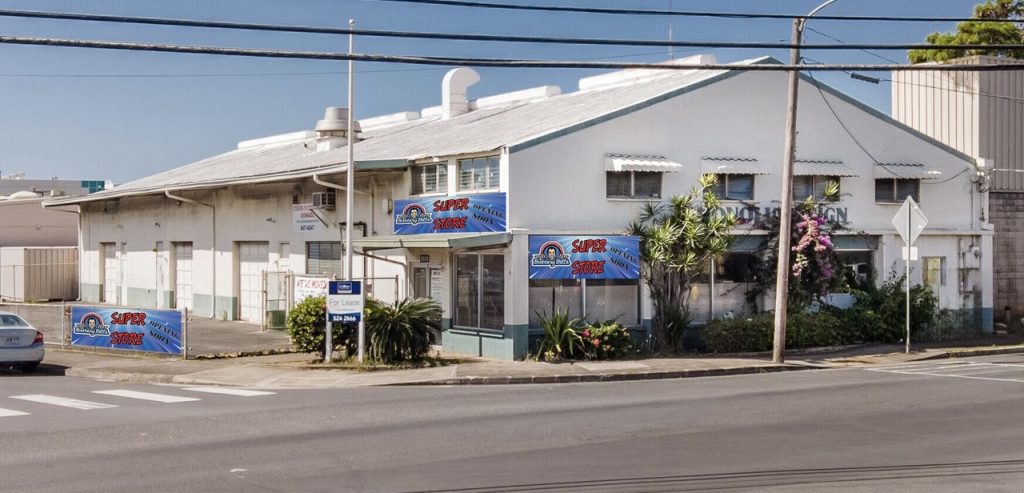
The brand-new Kalihi Superstore, located at 1353 Moonui Street, will officially open its doors on Monday, February 2, 2026.
New Kalihi Superstore Hours of Operation:
Monday – Friday: 8:00 AM – 4:30 PM
Saturday: 8:00 AM – 4:00 PM
Sunday: Closed
To celebrate this milestone, Battery Bill’s will host a Grand Opening Celebration on March 1, 2026, from 10:00 AM to 2:00 PM.
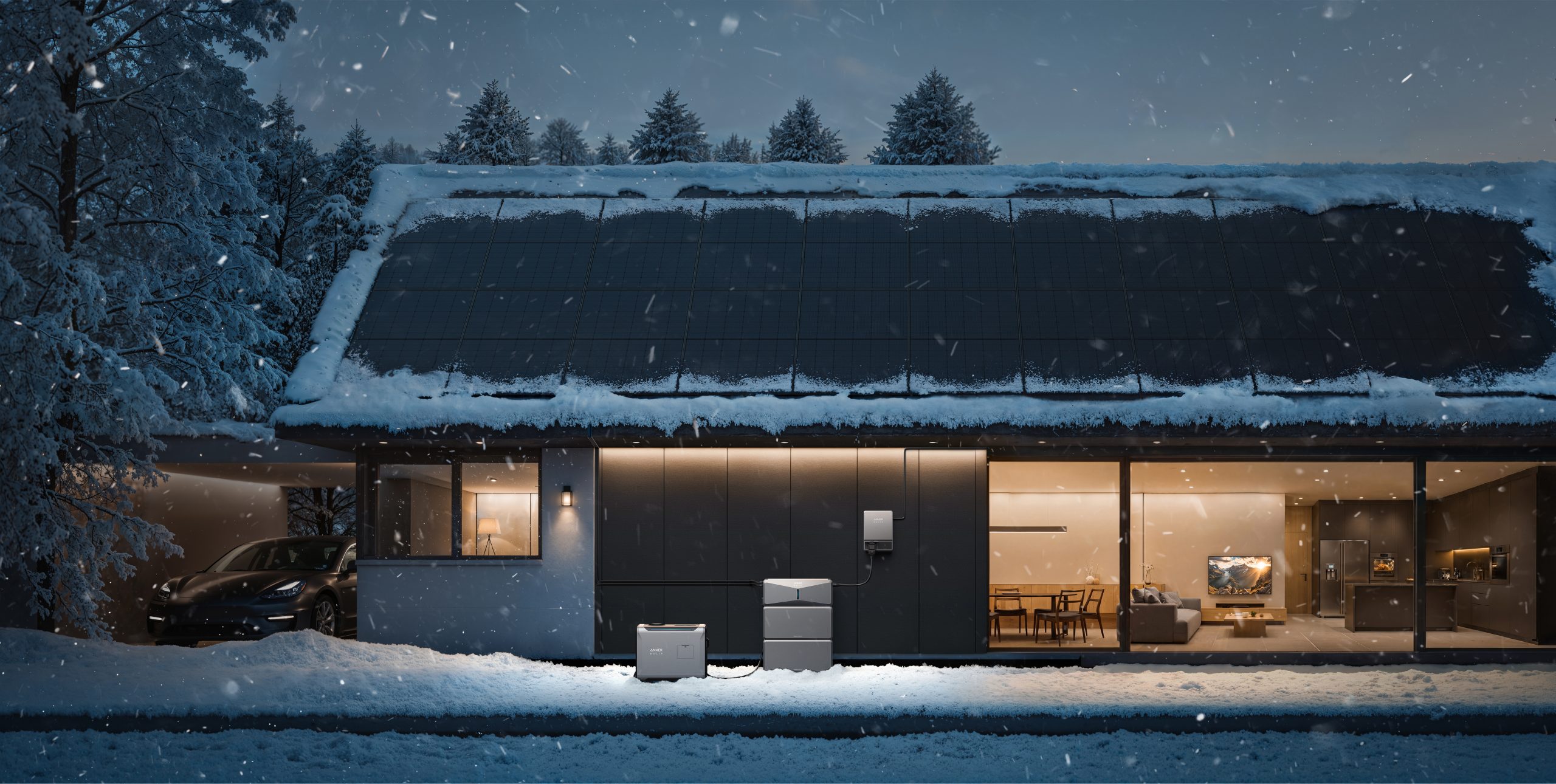
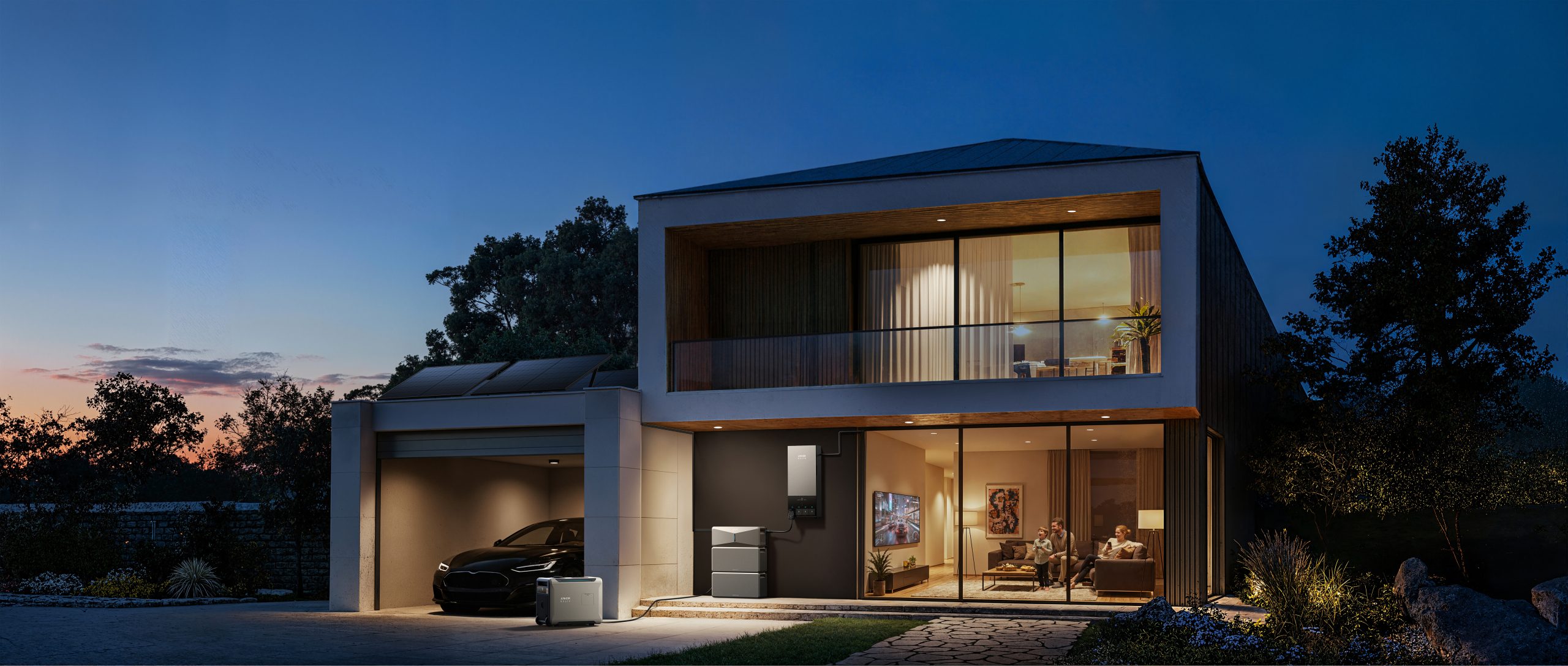
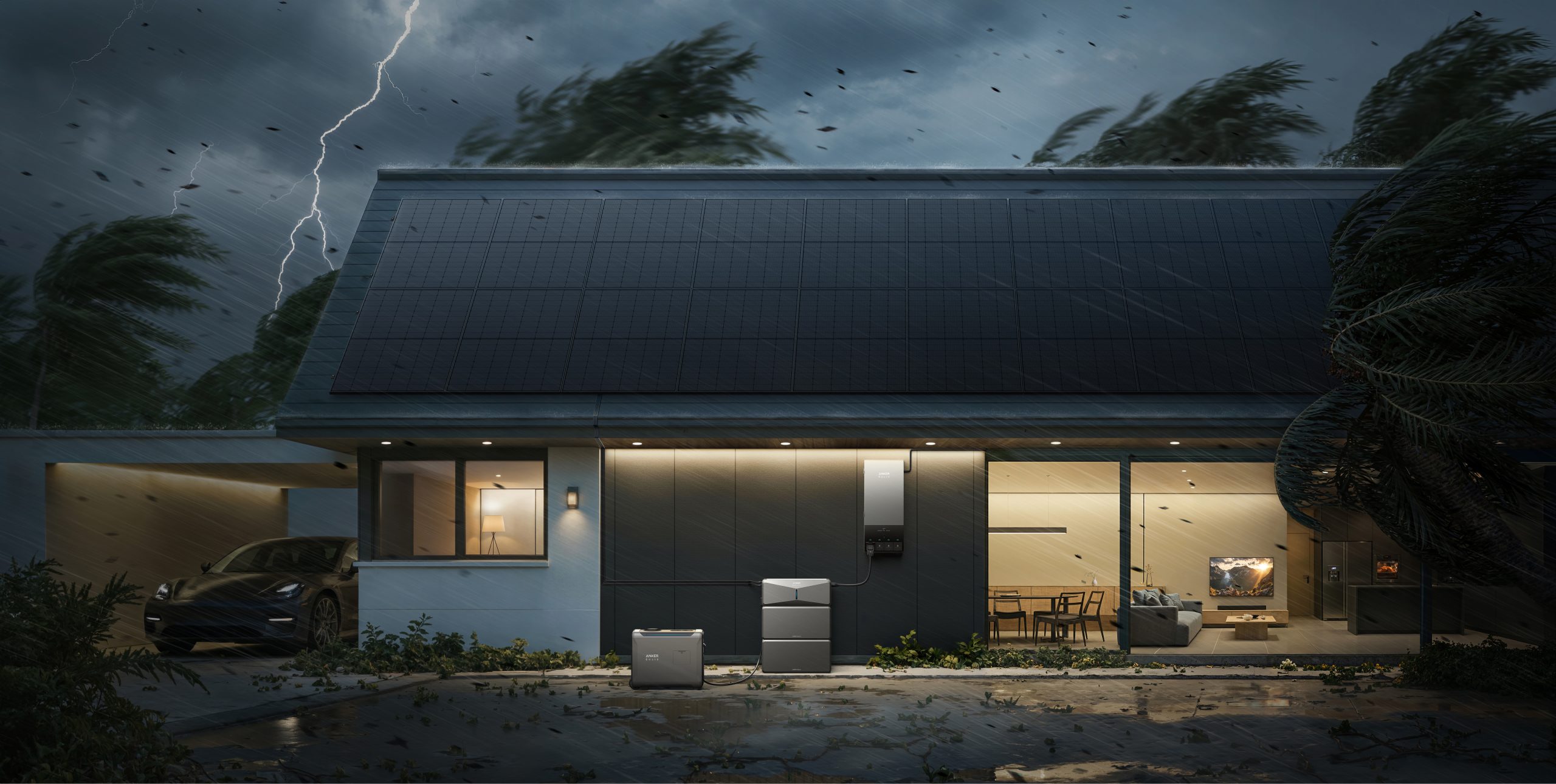
The event will feature live demonstrations, exclusive in-store discounts, and the official Hawaii debut of the Anker SOLIX E10—the most powerful battery system designed to keep Hawaii homes running during total grid failure.
The Power to Weather Any Storm: Introducing the Anker E10
Massive Output: With a 7,680W continuous output and 10kW Turbo mode, it is capable of starting and running heavy-duty 5-ton central A/C units—a rarity for battery systems.
Seamless Transition: With a 20ms switchover time, your lights and electronics won’t even flicker when the grid goes down.
Built for the Islands: The E10 features a NEMA 4 (IP66) waterproof rating, allowing for outdoor installation even in Hawaii’s humid and salty air.
Scalable Energy: Modular blocks allow you to scale from 6kWh up to 90kWh—enough to power a home for up to 15 days.
Why Backup Power is Essential for Hawaii’s Hurricane Season?
While the official hurricane season starts June 1, the time to prepare is now. Hawaii’s unique geography creates specific challenges that make backup power a necessity:
Isolated Grid Vulnerability: Unlike the mainland, Hawaii cannot “borrow” power from neighboring states. If a storm hits the local grid, we are on our own until repairs are made.
Food & Medicine Security: Hawaii’s high humidity and heat mean food spoils rapidly. A 14-day supply of food is only useful if you have the power to keep your refrigerator or freezer running.
Critical Communication: During a storm, your phone and internet are your lifelines. Reliable backup power ensures you stay connected to emergency alerts and family members.
Early Preparation is Key: As we get closer to June, supply chains tighten and installation schedules fill up. Getting your system installed in February or March ensures you aren’t stuck in the dark when the first tropical depression forms.